
Recharge

Save Water Save Nature poster showing hands holding Earth with flowing water, green forests, wildlife, mountains, river, and renewable energy symbols promoting water conservation and environmental protection.”
Blog, Natural, Recharge

Save water save nature

Save Water Save Nature – प्रेरणा जल है तो कल है | प्रस्तावना पानी केवल एक प्राकृतिक संसाधन नहीं है, बल्कि यह जीवन की आत्मा है। मानव सभ्यता नदियों के किनारे विकसित हुई और आज भी हमारा अस्तित्व पूरी तरह जल पर निर्भर है। फिर भी आज पानी सबसे अधिक बर्बाद किया जाने वाला संसाधन बन चुका है। Save Water Save Nature केवल एक नारा नहीं, बल्कि आने वाली पीढ़ियों के लिए एक चेतावनी और जिम्मेदारी है। यह ब्लॉग आपको जल संरक्षण के महत्व, इसके प्रभाव और इससे जुड़ी प्रेरणा को गहराई से समझाएगा। 1. जल: जीवन का आधार पृथ्वी पर उपलब्ध कुल जल का केवल लगभग 2.5% मीठा पानी है, और उसमें से भी बहुत कम हिस्सा उपयोग योग्य है। मानव शरीर का लगभग 70% भाग जल से बना होता है। जल के बिना: इसलिए कहा गया है –“जल है तो जीवन है।” 2. बढ़ता हुआ जल संकट आज दुनिया के कई देश और भारत के अनेक राज्य गंभीर जल संकट से गुजर रहे हैं। भूजल स्तर तेजी से गिर रहा है, नदियाँ सूख रही हैं और बारिश अनियमित होती जा रही है। जल संकट के मुख्य कारण अगर समय रहते कदम नहीं उठाए गए, तो भविष्य में पानी सबसे महंगा संसाधन बन जाएगा। 3. जल और प्रकृति का गहरा संबंध प्रकृति का संतुलन जल पर आधारित है। जब हम पानी को नुकसान पहुँचाते हैं, तब हम पूरी प्रकृति को नुकसान पहुँचाते हैं।इसलिए कहा जाता है: Save Water = Save Nature = Save Future 4. पानी की बर्बादी: हमारी रोज़मर्रा की गलतियाँ अक्सर हम यह सोचते हैं कि हमारे छोटे-छोटे कामों से क्या फर्क पड़ेगा, लेकिन यही आदतें मिलकर जल संकट को जन्म देती हैं। आम जल अपव्यय याद रखें –हर बूंद की कीमत है। 5. जल संरक्षण के आसान उपाय (घर से शुरुआत) घर में जल बचाने के उपाय घर के बाहर 6. कृषि और जल संरक्षण भारत में जल का सबसे अधिक उपयोग कृषि क्षेत्र में होता है। यदि किसान आधुनिक सिंचाई तकनीकों को अपनाएं, तो भारी मात्रा में जल बचाया जा सकता है। प्रभावी उपाय जल संरक्षण से किसान और देश – दोनों का भविष्य सुरक्षित होता है। 7. बच्चों और युवाओं की भूमिका आज के बच्चे और युवा ही कल के नेता और नागरिक हैं। यदि उन्हें जल संरक्षण का महत्व समझाया जाए, तो समाज में स्थायी बदलाव संभव है। 8. प्रेरक उदाहरण: जब लोगों ने पानी बचाया भारत के कई गांवों ने सामूहिक प्रयासों से सूखी जमीन को फिर से हरा-भरा बना दिया। तालाबों का पुनर्निर्माण, वर्षा जल संचयन और नदी संरक्षण ने असंभव को संभव कर दिखाया। ये उदाहरण साबित करते हैं कि –यदि इच्छा शक्ति हो, तो बदलाव निश्चित है। 9. भारतीय संस्कृति में जल का महत्व हमारी संस्कृति में जल को पवित्र माना गया है। पूजा-पाठ, संस्कार और धार्मिक अनुष्ठानों में जल का विशेष स्थान है। यदि जल हमारे लिए पवित्र है, तो उसका संरक्षण भी हमारा धार्मिक और नैतिक कर्तव्य है। 10. आज संकल्प लें – अभी नहीं तो कभी नहीं आइए स्वयं से वादा करें: क्योंकि –Save Water Save NatureSave Nature Save Humanity निष्कर्ष जल संरक्षण कोई विकल्प नहीं, बल्कि अनिवार्यता है।हर छोटी कोशिश बड़ा बदलाव ला सकती है। 🌱 आज से नहीं, अभी से शुरुआत करें। 💧
Share this
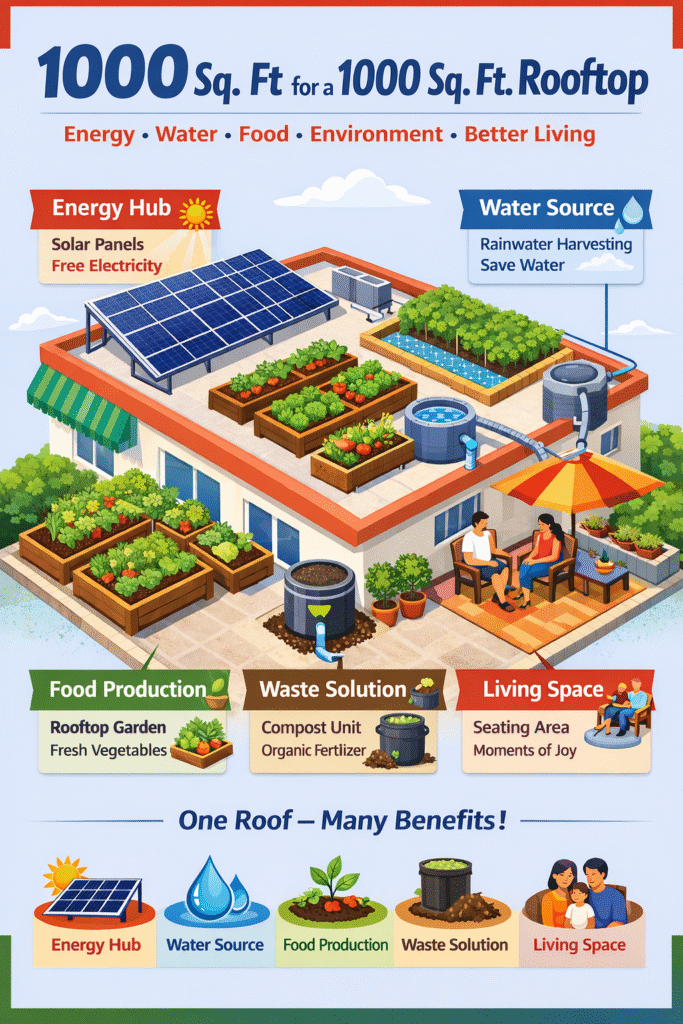
“Illustration of a 1000 square feet rooftop transformed into a sustainable living hub with solar panels, rainwater harvesting system, rooftop vegetable garden, compost unit, and a family sitting area.”
Blog, Engineer Corner, Natural, Recharge, Roof Top Rain Water Harvesting, Water Harvesting

🏡Best Combination of Roof (एक आदर्श मॉडल)

एक ही छत पर ऊर्जा, पानी, भोजन, खाद और आराम – सब कुछ संभव है। भूमिका (Introduction) आज का युग महंगाई, बेरोज़गारी, ऊर्जा संकट और जल संकट का युग है। हर परिवार चाहता है कि उसका खर्च कम हो, आय बढ़े और जीवन स्तर सुधरे। लेकिन ज़्यादातर लोग यह नहीं जानते कि इसका समाधान उनके अपने घर की छत पर मौजूद है। हमारी छत आज भी अधिकतर घरों में खाली पड़ी रहती है—केवल धूप, गर्मी और बारिश सहने के लिए। जबकि यदि उसी छत को स्मार्ट तरीके से उपयोग किया जाए, तो वही छत: यह ब्लॉग आपको एक आदर्श “Best Combination Roof Model” से परिचित कराएगा, जिसे अपनाकर आम नागरिक स्वावलंबी (Self-Reliant) बन सकता है। आदर्श मॉडल क्या है? (What is Best Combination Roof) Best Combination Roof का अर्थ है –👉 एक ही छत पर कई उपयोगों को संतुलित रूप से अपनाना, ताकि: इस मॉडल के 5 मुख्य स्तंभ 1️⃣ Solar Panels – छत से कमाई जाने वाली बिजली Solar क्यों ज़रूरी है? बिजली का बिल हर महीने बढ़ रहा है। ऐसे में सोलर पैनल: आम घर के लिए कितना सोलर? सिस्टम उपयोग 1 kW पंखा, लाइट, टीवी 2 kW फ्रिज, मोटर, वॉशिंग मशीन 3 kW पूरा मध्यम घर आर्थिक लाभ आय कैसे हो सकती है? 👉 Solar = खर्च में कटौती + भविष्य की सुरक्षा 2️⃣ Rain Water Harvesting – छत से पानी का खजाना समस्या आज कई शहरों में: समाधान – Rain Water Harvesting छत पर गिरने वाला बारिश का पानी: के ज़रिए संग्रह किया जा सकता है। कितना पानी मिल सकता है?☔ 1000 Sq Ft Roof से Rainwater Harvesting Calculation 🔢 Step 1: Roof Area को समझें 👉1000 sq ft × 0.0929 = 92.9 sq meter 🌧 Step 2: Average Rainfall मान लें भारत के ज़्यादातर हिस्सों में average rainfall: 👉Rainfall Height = 1 meter 💧 Step 3: पानी की कुल मात्रा (Basic Formula) 📌 Formula: Water Collected (Liters) = Roof Area (sq m) × Rainfall (m) × 1000 Calculation: = 92.9 × 1 × 1000= 92,900 Liters 👉 अगर 100% पानी इकट्ठा किया जाए तो = 92,900 लीटर ⚙️ Step 4: Practical Losses को जोड़ें असल जीवन में: इसलिए हम 80% efficiency मानते हैं। 92,900 × 80% = 74,320 Liters ✅ (One Season / One Year) 👉 1000 Sq Ft Roof से ≈ 70,000 – 75,000 लीटर पानी एक मानसून सीज़न में आसानी से स्टोर किया जा सकता है। 🏠 यह पानी कितने काम आएगा? उपयोग कितने दिन 4 लोगों का घरेलू उपयोग 4–6 महीने Terrace Garden पूरा साल Toilet + Cleaning 6–8 महीने Groundwater Recharge लंबे समय तक 💡 आसान भाषा में समझें 🧠 याद रखने वाला Shortcut Formula हर 100 sq ft छत ≈ 7,000–8,000 लीटर पानी / वर्ष तो: 🌱 निष्कर्ष 👉 1000 sq ft की छत = पानी का छोटा तालाब अगर हर घर यह करे: “जो बारिश आज बह जाती है, वही कल जीवन बचा सकती है।” उपयोग आर्थिक लाभ 3️⃣ Terrace Garden – छत से ताज़ा भोजन और कमाई Terrace Garden क्यों? आज हम जो सब्ज़ियाँ खाते हैं: क्या उगा सकते हैं? खर्च और बचत आय का साधन 👉 Terrace Garden = सेहत + बचत + कमाई 4️⃣ Compost Unit – कचरे से सोना समस्या समाधान – Compost Unit 👉 30–40 दिन में जैविक खाद फायदे आय कैसे? 5️⃣ Sitting Area – छत को जीवन का हिस्सा बनाना सिर्फ आराम नहीं, मानसिक स्वास्थ्य सामाजिक लाभ 🔁 यह मॉडल कैसे एक-दूसरे को सपोर्ट करता है? 👉 पूरा सिस्टम एक चक्र में चलता है 💰 कुल आर्थिक प्रभाव (Annual Impact) स्रोत लाभ बिजली बचत ₹15,000–₹40,000 पानी बचत ₹5,000–₹15,000 सब्ज़ी बचत ₹20,000–₹40,000 अतिरिक्त आय ₹30,000–₹1,00,000 👉 कुल संभावित लाभ: ₹70,000 – ₹2,00,000 / वर्ष 🏠 किन लोगों के लिए सबसे उपयोगी? 🌍 सामाजिक और राष्ट्रीय लाभ निष्कर्ष (Conclusion) छत केवल कंक्रीट नहीं है,👉 वह आपका भविष्य है। अगर हर घर अपनी छत को: बना ले, तो भारत:

Share this
Blog, Check Dam, Recharge

“एक बूँद की आस”(बुंदेलखंड के एक किसान की व्यथा)

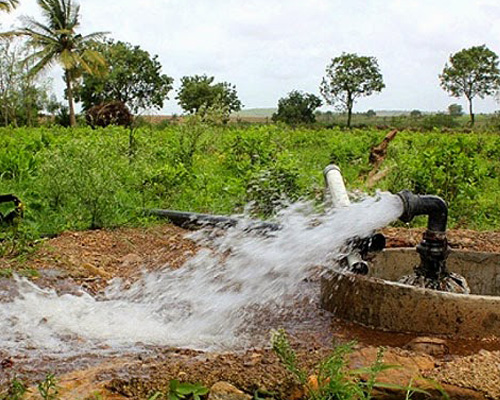
बुंदेलखंड की तपती दोपहर थी। आसमान बादलों से खाली था, ज़मीन पर गर्म हवा तीर की तरह चल रही थी। खेत की मिट्टी की दरारें इतनी गहरी थीं मानो धरती खुद रो रही हो। सूखे पत्तों की खड़खड़ाहट के बीच एक वृद्ध किसान, Gangadhar, अपने बंजर खेत के किनारे बैठा था। दोनों हाथ सिर पर टिके थे, और नज़रें आसमान की ओर। आँखों में नमी थी, पर वह आँसू नहीं, सूखे की मार से उपजे असहायपन का बोझ था। “हे भगवान! कब बरसेगा ये पानी?” उसने आसमान की ओर देखते हुए धीरे से कहा। तीन साल से खेत ने अनाज नहीं उगला। नहरों में पानी नहीं, तालाब सूखे पड़े हैं, । रामस्वरूप की गाय भूख से मर गई, और उसके बेटे शहर में मज़दूरी करने चले गए। लेकिन रामस्वरूप? वह नहीं गया। “ये धरती मेरी माँ है,” वो अक्सर कहता। “माँ को छोड़ कैसे जाऊं?” पर अब, जब खेत की मिट्टी चटक चुकी थी, जब बीज बोने की भी हिम्मत नहीं बची थी, तब रामस्वरूप की उम्मीद बस एक चीज़ पर टिकी थी — आसमान की ओर। बादल कभी-कभी आते, ठिठकते, और बिना बरसे चले जाते। हर बार उसकी उम्मीद जागती, और फिर टूट जाती। एक दिन, गाँव के बच्चे उसके पास आकर बोले,“दद्दा, इस बार भी बारिश नहीं हुई तो क्या करेंगे?” Gangadhar चुप रहा। उसके पास जवाब नहीं था। फिर उसने धीरे से कहा, कि बुंदेलखंड की चट्टानी ज़मीन में पानी निकालना आसान नहीं है। इसलिए लघु सिंचाई विभाग के माध्यम से बिना किसी खर्च के यह कार्य कराया जा रहा है।” रामस्वरूप के दिल में बरसों बाद पहली बार एक उम्मीद जगी। अगले हफ्ते उसके खेत में सर्वे हुआ, और पंद्रह दिन के भीतर पत्थर काट कर एक गहरा कूप बनकर तैयार हुआ। बूँद-बूँद से हरियाली कूप से जैसे ही पानी निकला, रामस्वरूप की आँखों में आँसू आ गए — पर इस बार खुशी के थे।वह पानी अब खेत में गया, बीज बोए गए, और कुछ ही हफ्तों में उस बंजर ज़मीन पर हरी पत्तियाँ उग आईं। बच्चे खेलते हुए आए और बोले,“दद्दा, इस बार तो अच्छी फसल होगी!” Gangadhar ने उन्हें गले लगाते हुए कहा,“हाँ रे बिटवा, अब मेरे खेत में भी हरियाली लौटेगी… और ये सब उस कूप की वजह से है — जो सरकार ने मेरे लिए बनवाया।” निष्कर्ष: अब भी Gangadhar आसमान की ओर देखता है —पर अब डर के साथ नहीं, उम्मीद के साथ।क्योंकि अब उसे पता है कि अगर एक बूँद ऊपर से न भी गिरे, तो धरती के सीने में अब भी अमृत छुपा है,और सरकार का एक विभाग — लघु सिंचाई विभाग — उन किसानों की पीड़ा को समझता है और राहत पहुँचाता है। रामस्वरूप अब अकेला नहीं है, उसके साथ अब शासन की सोच, योजनाएँ और एक नवजीवन की शुरुआत है।

Share this
#Borewell #Groundwater #WaterConservation #SaveWaterSaveNature #SustainableDevelopment #RainwaterHarvesting
Recharge, Unsuccessful Boring

Preventing Unsuccessful Boring – Tips for a Smooth Project

Boring, whether for water extraction, soil testing, or foundation work, is a task that demands precision, planning, and the right techniques. An unsuccessful boring attempt can lead to wasted time, increased costs, and delayed projects. The good news? With proper preparation and execution, you can significantly reduce the chances of failure. Why Boring Projects Fail Many boring attempts fail due to: By addressing these factors early, you can set your project on the path to success. Essential Tips to Prevent Unsuccessful Boring 1. Conduct a Detailed Site Survey Before any drilling starts, perform a hydrogeological and soil survey. This helps identify: 2. Choose the Right Equipment The type of drilling rig and tools should match your soil conditions and desired depth. Heavy-duty, well-maintained machinery reduces downtime and improves efficiency. 3. Hire Skilled and Experienced Operators Boring is a technical job that requires experience. Professionals can adapt to changing soil conditions and prevent costly mistakes. 4. Plan for Seasonal Variations Water table levels fluctuate depending on the season. In most areas, boring during or right after the rainy season offers better chances of success. 5. Monitor the Process in Real-Time Supervise and track progress during the boring process. Quick adjustments can be made if obstacles or unexpected conditions arise. 6. Keep a Backup Plan Ready If the first location doesn’t work, shifting a few meters or increasing the depth can often lead to success without restarting the entire process. Benefits of Proper Planning

Share this
Recharge, Unsuccessful Boring

How to Fix an Unsuccessful Boring – Practical Solutions

Boring projects can fail for many reasons — from poor site selection to unexpected underground conditions. If your first attempt at boring didn’t produce the desired results, it doesn’t mean you have to start from scratch. By identifying the cause and applying the right solutions, you can turn a failed boring attempt into a successful one. Step 1: Identify the Reason for Failure Before making any changes, figure out why the boring failed. Common causes include: Step 2: Reassess the Site A professional hydrogeological survey can help determine if the site is worth continuing or if a new location is better. Step 3: Adjust the Depth or Angle Sometimes the solution is as simple as drilling deeper or adjusting the angle of boring. Step 4: Upgrade Your Equipment If your machinery struggled during the first attempt, switching to more powerful and specialized equipment can make a big difference. For example: Step 5: Try Seasonal Timing If boring was done in a dry season, the water table may have been too low. Step 6: Seek Expert Assistance Experienced drilling professionals can assess the situation, suggest practical fixes, and execute the revised plan with a higher success rate. Preventing Future Failures

Share this
Recharge, Unsuccessful Boring

Understanding Unsuccessful Boring – Causes and Common Mistakes

Boring, whether for water wells, dry wells, or foundation work, requires careful planning and execution. Unfortunately, not every project goes as planned. An unsuccessful boring can cost time, money, and effort — and in many cases, it’s the result of avoidable mistakes or overlooked details. By understanding the common causes, you can prevent failures in future projects. 1. Poor Site Selection Choosing the wrong location is one of the biggest reasons boring attempts fail. Tip: Always conduct a detailed soil and water table study before starting. 2. Inaccurate Depth Estimation Many boring failures happen because drilling stops too early or goes beyond the productive layer. Tip: Monitor water levels carefully during the process to ensure you hit the right depth. 3. Using Inappropriate Equipment Different terrains require different boring methods and machinery. Tip: Match equipment to site conditions for maximum efficiency. 4. Seasonal Timing Mistakes Water table levels fluctuate with seasons. Tip: If possible, schedule boring during or after the rainy season for better water table detection. 5. Lack of Skilled Supervision Even with the right site and equipment, inexperienced operators can cause costly mistakes. Tip: Work with trained professionals who can adjust strategies on-site. 6. Ignoring Warning Signs Sometimes boring shows early indicators of failure, but they are overlooked. Tip: Pause and reassess instead of pushing forward blindly.

Share this
Dry Well, Recharge

How to Maintain a Dry Well for Long-Term Efficiency

A dry well is a reliable and eco-friendly way to manage excess rainwater, prevent flooding, and recharge groundwater. But like any system, it works best when maintained regularly. Neglecting your dry well can lead to blockages, slow drainage, and even complete system failure. Follow these simple maintenance tips to keep your dry well in top condition for years to come. 1. Inspect Your Dry Well Regularly Check the dry well after heavy rainfall to ensure water is entering and draining properly. Look for signs of overflow, pooling, or slow absorption, which may indicate blockages or silt buildup. 2. Keep Inlet Pipes Clear Water enters the dry well through connected gutters, downspouts, or drainage pipes. Remove leaves, dirt, and other debris from these inlets to prevent clogs. Installing a mesh screen or filter at the inlet can reduce debris entry. 3. Clean Sediment and Debris Over time, silt and small particles can accumulate inside the dry well, reducing its capacity. Schedule periodic cleaning—at least once a year—to flush out sediment and restore full efficiency. 4. Manage Surrounding Landscape Avoid planting deep-rooted trees near your dry well, as roots can infiltrate and damage the structure. Also, keep the surrounding area free of excess soil or mulch that could wash into the system. 5. Check for Structural Integrity Look for cracks, collapsed walls, or damaged liners during inspections. Small issues can be repaired easily, but if left unchecked, they may require costly replacements. 6. Prevent Contamination Never dispose of chemicals, oils, or waste into the dry well. It is designed for clean rainwater, and pollutants can harm groundwater and reduce system effectiveness.

Share this
Dry Well, Recharge

Benefits of Dry Wells – Why Your Property Might Need One

When it comes to managing excess rainwater, a dry well is one of the simplest yet most effective solutions. It works by collecting and dispersing stormwater into the ground, preventing flooding, soil erosion, and water damage around your property. Whether you live in an urban or rural area, a dry well can be a game-changer for your drainage needs. 1. Prevents Flooding and Water Damage Dry wells absorb excess rainwater before it can pool around your home or building. This helps protect basements, foundations, and landscaping from water-related damage. 2. Reduces Soil Erosion By allowing water to slowly seep into the ground instead of rushing over the surface, dry wells minimize soil erosion and protect your garden, lawn, or driveway. 3. Recharges Groundwater Instead of letting rainwater flow into storm drains, a dry well returns it to the earth, helping replenish underground water reserves and supporting local ecosystems. 4. Low-Maintenance Solution Once installed properly, a dry well requires minimal upkeep—mainly occasional inspections and debris removal—making it a cost-effective and long-lasting drainage option. 5. Environmentally Friendly Dry wells help reduce the burden on municipal stormwater systems and limit water pollution by filtering rainwater naturally through the soil. 6. Versatile for Many Properties Whether you own a residential property, commercial building, or farm, a dry well can be adapted to your specific drainage needs.

Share this
Dry Well, Recharge

What is a Dry Well? – A Hidden Solution for Water Management

When rainwater pours from your roof, driveway, or yard, it has to go somewhere. Without proper drainage, that water can lead to flooding, soil erosion, and even foundation damage. A dry well is an effective and often hidden solution that manages excess rainwater naturally and efficiently. What is a Dry Well? A dry well is an underground structure designed to collect and disperse excess water into the surrounding soil. Unlike a traditional well that provides water, a dry well receives water—often from gutters, downspouts, or drainage pipes—and slowly releases it underground, allowing it to filter through the earth. How Does a Dry Well Work? Why Use a Dry Well? Where Are Dry Wells Commonly Installed? Dry wells can be used in:

Share this
Recharge, Roof Top Rain Water Harvesting

How to Maintain a Rooftop Rainwater Harvesting System for Maximum Efficiency

A Rooftop Rainwater Harvesting (RRWH) system is an excellent way to conserve water and reduce dependency on external water sources. However, like any system, it requires regular care to ensure it operates efficiently and delivers clean, safe water. Proper maintenance not only extends the life of your system but also improves water quality and storage capacity. 1. Clean Your Roof and Gutters Regularly Before every rainy season, remove leaves, dust, and debris from your rooftop and gutters. This prevents dirt from contaminating the water and keeps the flow channels clear. 2. Maintain Filters and First-Flush Systems 3. Inspect Storage Tanks Look for cracks, leaks, or algae growth in tanks. Clean and disinfect them annually to prevent contamination and odor. 4. Prevent Mosquito Breeding Always keep storage tanks covered tightly. Install mesh screens on inlet and outlet pipes to keep insects and debris out. 5. Check the Pipes and Fittings Inspect all connections, downpipes, and overflows for leaks or blockages. Clear any obstructions immediately to avoid water wastage. 6. Test Water Quality (If Used for Drinking) If the harvested rainwater is meant for drinking, test it regularly for pH, bacteria, and contaminants. Use appropriate purification methods before consumption. 7. Keep a Seasonal Maintenance Schedule Create a checklist and perform inspections:

Share this

Join us in creating a water-secure and eco-friendly future.

Visit Us

Copyright © 2025Savewatersavenature. All rights reserved.

Scroll to Top